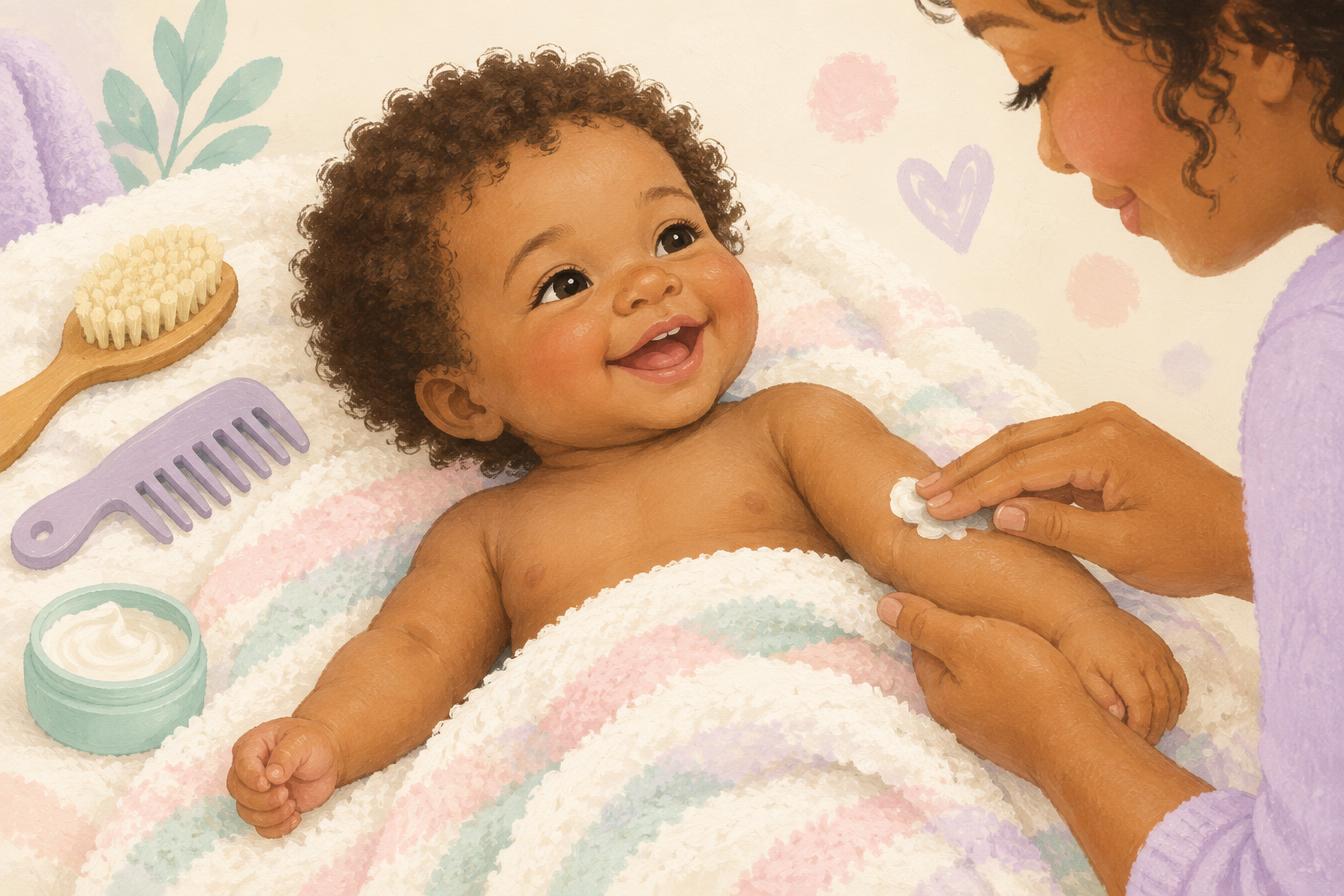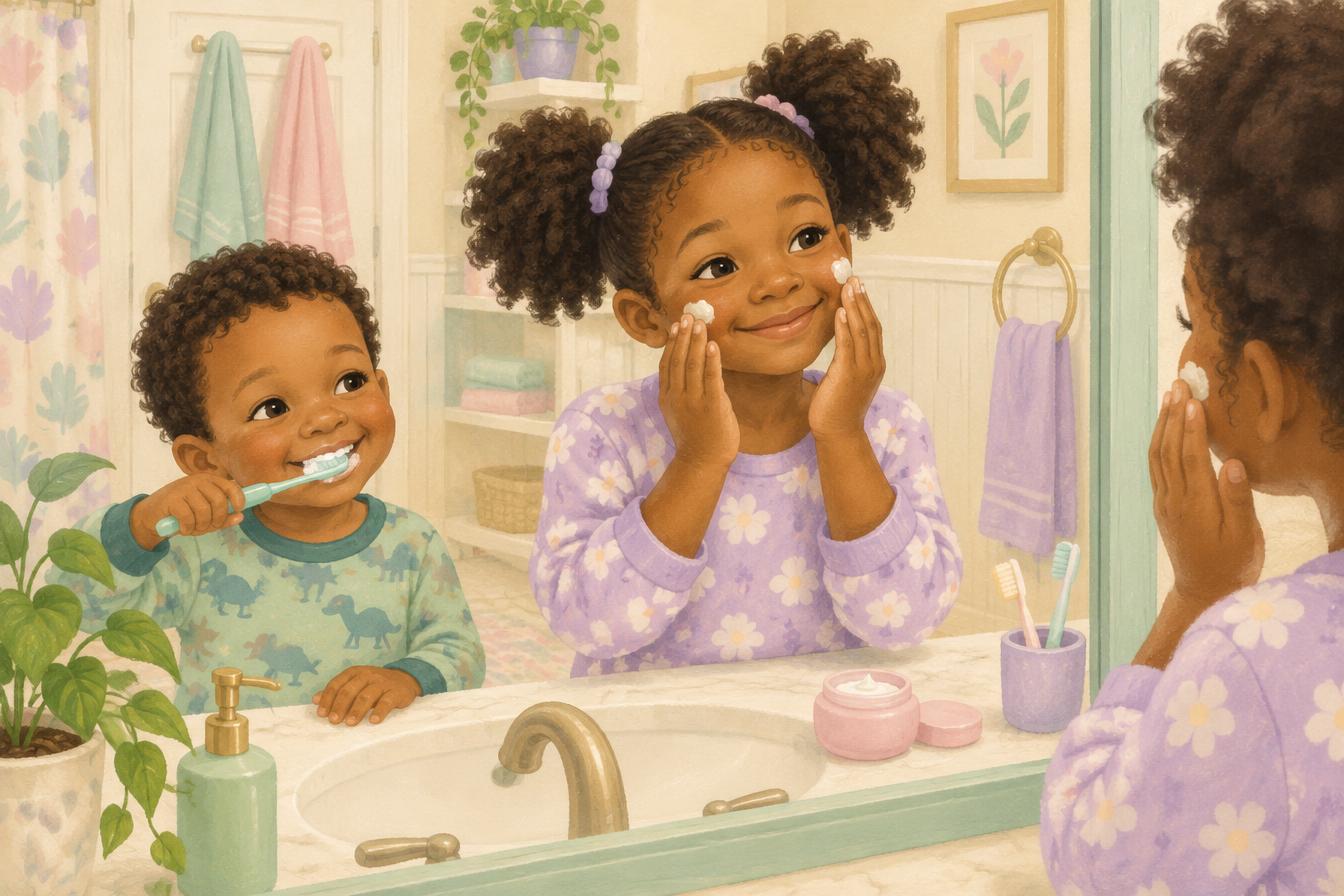
What children actually need
- A mild, fragrance-free cleanser
- A plain, fragrance-free moisturizer
- A broad-spectrum SPF 30+ sunscreen
- Lip balm, especially in dry weather
- For tweens: a gentle face wash and deodorant if needed
What to avoid for children
- Anti-aging products, including retinol and retinoids
- Strong acids and exfoliants (glycolic, lactic or high-strength salicylic acid) unless recommended by a doctor
- Physical scrubs with rough particles
- Heavily fragranced products and essential oils
- Skin lightening or bleaching creams
- Multi-step routines of serums, toners and masks
Tip: If a product promises to reduce wrinkles, fine lines or signs of aging, it’s not meant for children.
Why adult actives aren’t for kids
Children’s skin barrier is still developing. Adult active ingredients can cause redness, stinging, dryness, peeling and increased sun sensitivity. Using many products also increases the chance of developing allergies to ingredients.
Reading labels, step by step
- Look for “fragrance-free” rather than “unscented.”
- Check the ingredient list for retinol, retinyl, acids and strong fragrances.
- Choose products with short ingredient lists.
- Be wary of claims like “natural,” “clean” or “hypoallergenic,” which aren’t regulated.
- Patch test new products before regular use.
Talking to tweens about skin care trends
Tweens may feel pressure to copy routines they see online. Rather than a flat no, try explaining how children’s skin is different and offer a simple, “grown-up” routine they can own: gentle cleanser, moisturizer and sunscreen. Let them choose the products within safe limits. Keep conversations about skin focused on health and comfort rather than appearance.
Hair products
For curly and coily hair, gentle cleansers, conditioners and leave-ins are usually enough for children. Avoid chemical relaxers, texturizers and frequent heat styling for young children.
A simple shopping checklist
Look for
- Fragrance-free
- Short ingredient list
- Broad-spectrum SPF 30+ for sunscreen
- Tubes or pumps rather than open jars
Be cautious with
- “Natural” or “clean” claims
- Essential oils and botanical blends
- Glitter, strong colors or scents marketed to kids
Avoid for children
- Retinoids and retinol
- Strong acids and peels
- Skin lighteners
- Anti-aging claims
At every age
Every child is different — use these as a starting point, not a rulebook.
2–5 years
Cleanser, moisturizer and sunscreen. That’s it.
6–9 years
The same basics, with sport-appropriate sunscreen. Lip balm as needed.
10–12 years
Add a gentle face wash and deodorant if needed. Talk to a doctor about acne treatments.
Common mistakes to avoid
- Buying products marketed as ‘kids’ skin care’ that contain adult actives.
- Giving in to multi-step viral routines.
- Assuming products that are safe for adults are safe for children.
- Treating acne with harsh products without guidance.
Helpful parent tips
- Offer a ‘yes list’ of approved products your tween can choose from.
- Explore labels together as a learning activity.
- Model a simple routine yourself.
When to call a professional
Everyday care supports comfort — it doesn’t diagnose or treat. Contact your pediatrician, dermatologist or healthcare provider if you notice:
- Redness, burning, peeling or rash after using a new product.
- Acne that is painful, widespread or leaving marks.
Questions parents ask
Is it okay for my tween to use a face mask?
An occasional gentle, fragrance-free mask is unlikely to harm, but it’s not needed. Avoid masks with acids or strong actives.
What’s the best acne treatment for tweens?
Talk to your pediatrician. They may recommend a gentle cleanser and specific treatment suited to your child’s skin.
Can children use adult sunscreen?
Yes, as long as it’s broad-spectrum, SPF 30+ and well tolerated. Mineral sunscreens can be gentler for sensitive skin.
My tween wants products they’ve seen online. How do I say no kindly?
Explain that those products are made for adult skin and can irritate younger skin. Offer a simple routine they can choose products for, and revisit the conversation as they get older.
Are lip glosses and play makeup safe for kids?
Occasional use of products made for children is usually fine. Remove them at the end of the day, avoid sharing, and stop if you notice irritation.