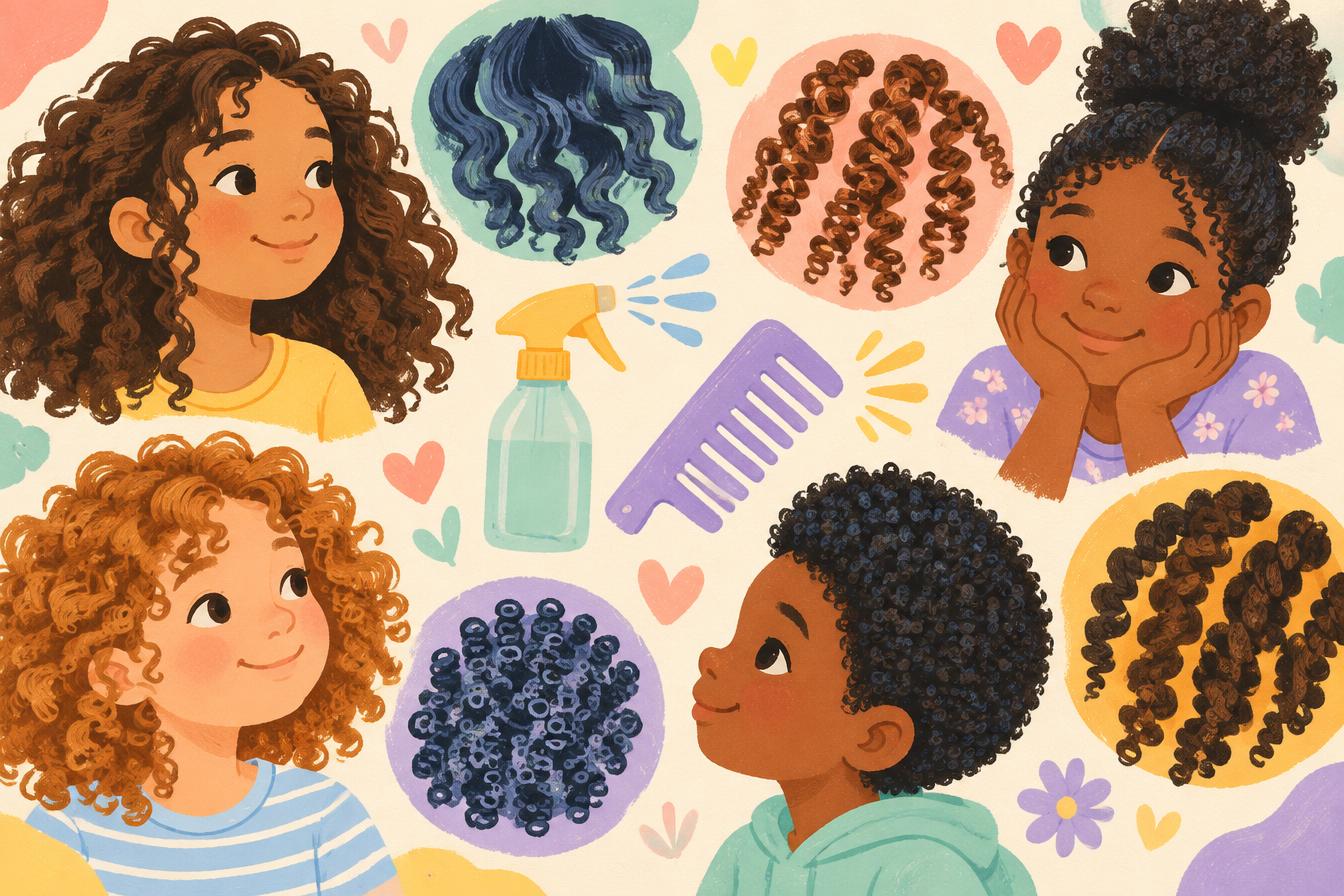
What dry hair looks and feels like
- Rough or straw-like texture, especially at the ends
- Curls that won’t clump together and look frizzy
- Lots of small broken hairs on clothes and pillows
- Hair that tangles within a day of detangling
- A dull look even right after styling
Water first, then seal
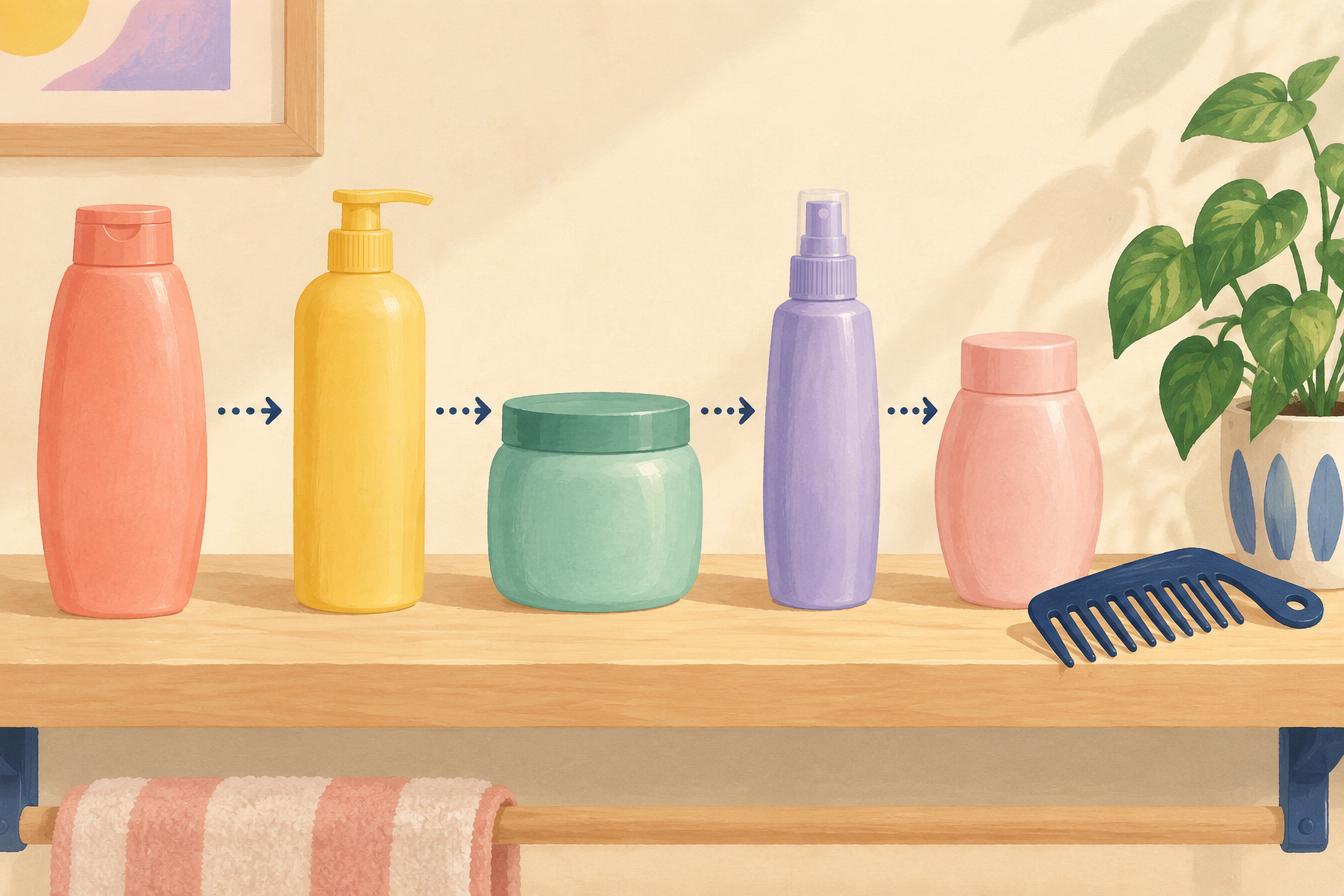
Oil on its own doesn’t hydrate hair — water does. Oils and creams help slow down how quickly that water escapes. That’s why many families layer products in this order:
- Start with damp hair: right after washing, or mist dry hair lightly with water.
- Apply a water-based leave-in conditioner, section by section.
- Follow with a cream or butter if the hair still feels thirsty.
- Finish with a small amount of light oil on the ends to seal.
A mid-week refresh
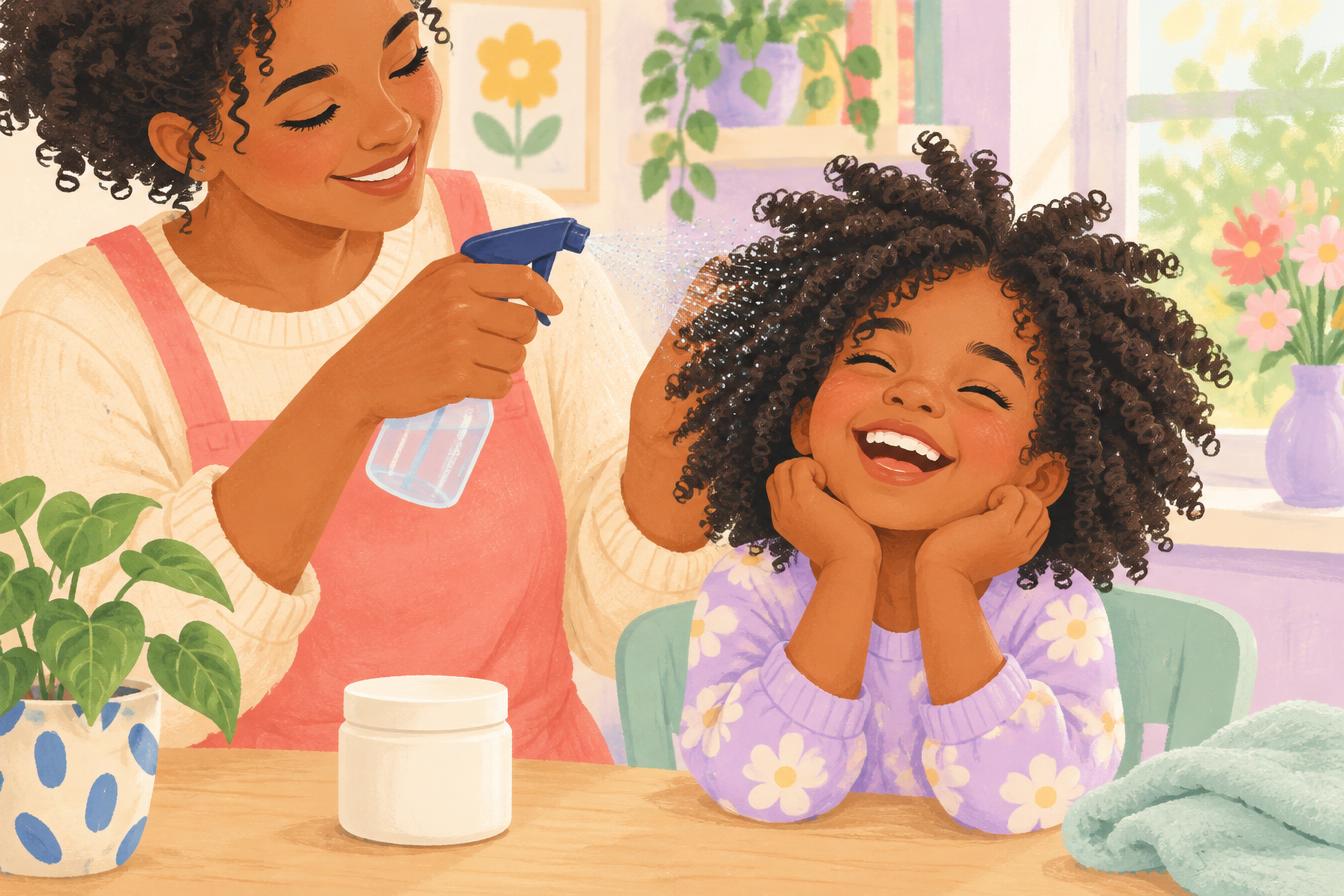
You don’t need to rewash hair when it gets dry. Two or three times a week, lightly mist the driest areas with water, smooth in a little leave-in, and re-twist or retie the style. Five minutes is enough.
Tip: Most children’s ends, crown and nape dry out first. Check those spots before styling.
Recognizing product buildup
Sometimes hair that seems dry is actually coated. When layers of product sit on the hair, water can’t get in, and the scalp can become itchy or flaky. Dermatologists note that flakes can come from not shampooing often enough or from using the wrong products for your hair type.
- Hair feels heavy, sticky, waxy or looks dull even with product
- Water beads on top instead of soaking in
- White or gray flakes that aren’t from a dry scalp
- Products stop working the way they used to
Tip: An occasional clarifying wash, followed by a generous conditioner, usually resets the hair.
Seasons, climate and dryness
- Winter heating and cold wind dry hair out; refresh more often and cover hair under hats with a satin-lined cap.
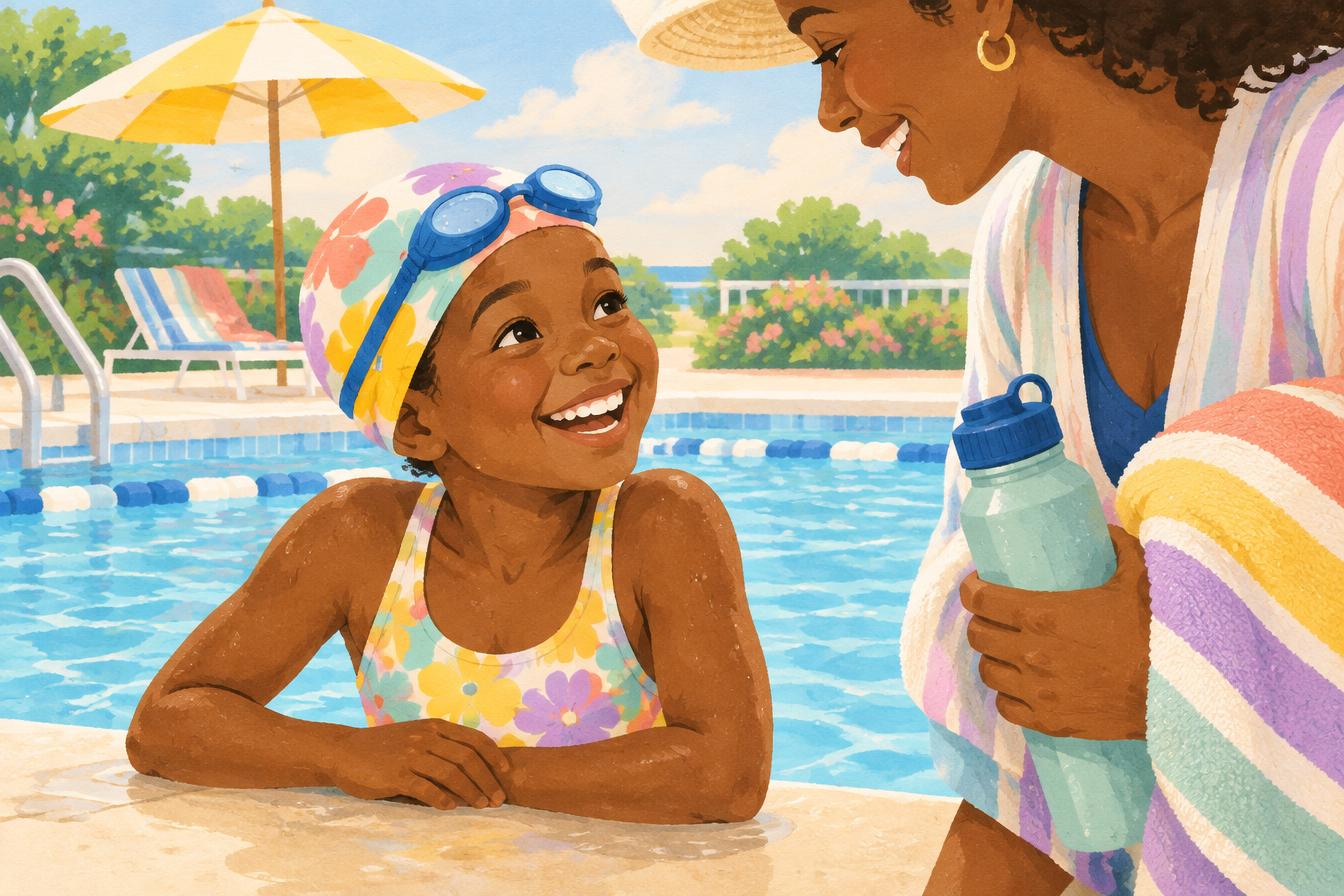
- Summer sun, chlorine and salt water are drying; rinse after swimming and condition.
- Humid weather can make curls frizz. Moisturized, stretched styles like twists often hold up best.
At every age
Every child is different — use these as a starting point, not a rulebook.
Babies
A small amount of gentle, fragrance-free moisturizer on damp hair after bath time is usually enough.
Toddlers & preschoolers
A morning mist and a dab of leave-in on the ends. Keep products away from hands and faces.
School age
Teach the “water, then seal” order and let them do their own mid-week refresh.
Preteens
Help them notice the difference between dryness and buildup so they can adjust their own routine.
Common mistakes to avoid
- Applying oil or grease to dry hair and expecting it to hydrate.
- Piling on more and more product instead of clarifying.
- Heavy grease on the scalp every day.
- Skipping conditioner on wash day.
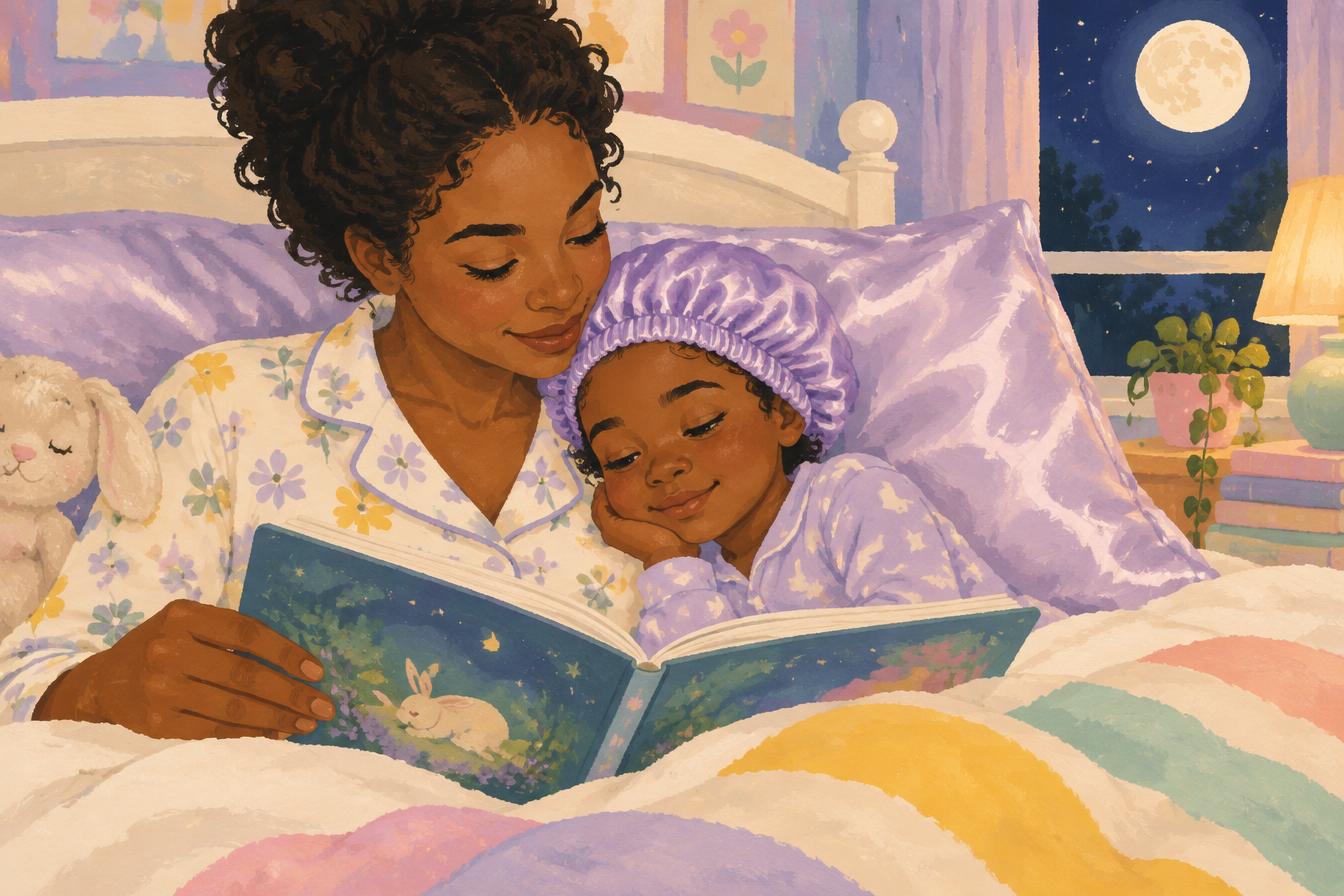
- Sleeping on cotton without a bonnet or scarf.
Tips for curly, coily and textured hair
- Coily hair often needs richer creams; looser curls may prefer lighter leave-ins.
- Twists and braids hold moisture in better than loose hair.
- Condition all the hair, not just the ends — curly hair is drier throughout.
Questions parents ask
Can I use plain water to moisturize?
Yes. Water is the main source of moisture. Follow it with a leave-in or cream so it doesn’t evaporate right away.
Is oil good for my child’s hair?
Oils can help seal in moisture and add softness. They work best over damp hair and a leave-in, used in small amounts.
Why is my child’s scalp flaky?
Flakes can come from dryness, product buildup, not shampooing often enough, or a scalp condition. If adjusting the routine doesn’t help, or the scalp is red or itchy, check with your pediatrician or a dermatologist.
How often should I moisturize?
Many families refresh two or three times a week between wash days. Let the hair guide you — if it feels dry and rough, it’s time.